Rehearsals on the 17:32: Filming Sketches on Public Transport Without a Caution
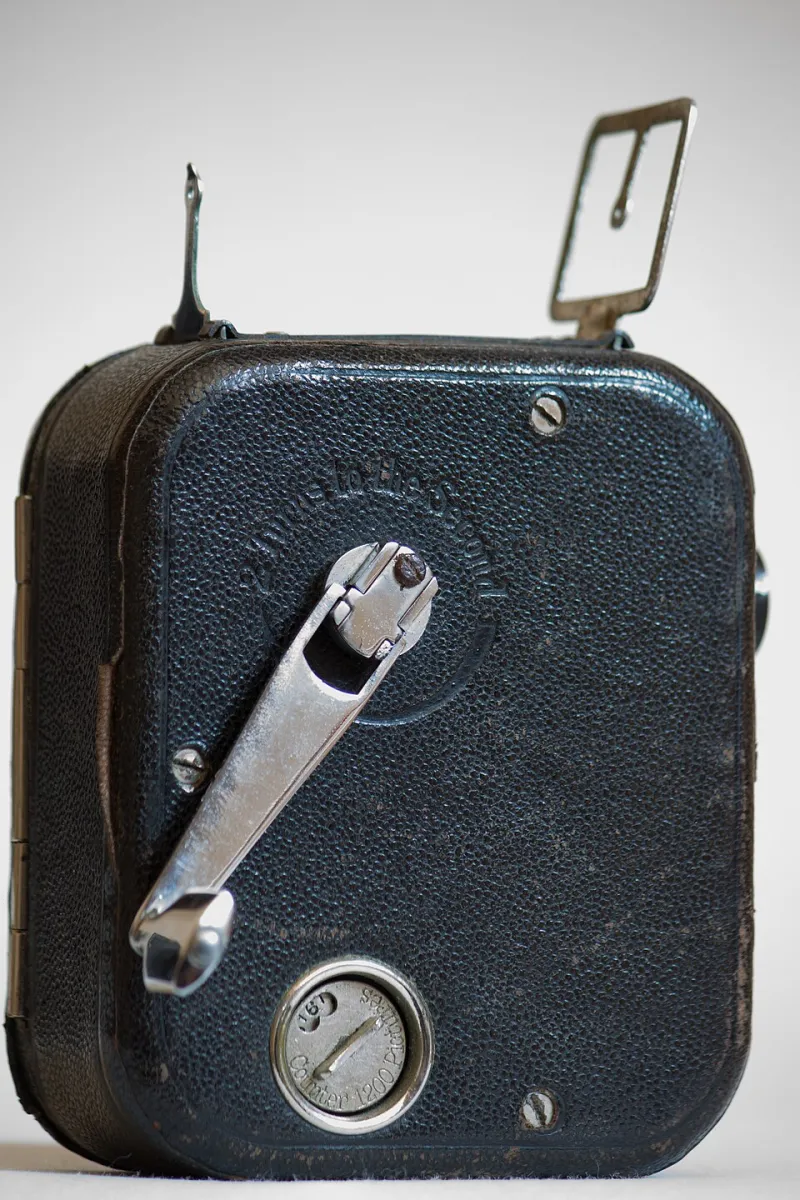
Photo: Annick Monnier, CC BY-SA 3.0, via Wikimedia Commons
Public transport is a gift to the sketch filmmaker. It offers production value for the price of a day return: fluorescent lighting that flatters nobody, a cast of extras who did not ask to be there, and a soundscape of announcements that can ruin a take and then, if you are lucky, become the joke. It is also a place where a man with a clipboard can legally ask you to leave. The trick is knowing the difference between a charming guerrilla shoot and a caution under the bylaws.
The bit where we pretend to be lawyers (but not really)
Let us be clear: you do not have an automatic right to film a sketch on a bus, train or platform. Railway stations and trains are private property, and operators have rules. Transport for London, National Rail operators and bus companies all have filming policies; commercial shoots generally need permission. A phone in your hand is one thing. A tripod, a light and a person in a wig shouting 'and action' is another. If you want to film on a station platform with kit, ask the operator's press or filming office first. It costs nothing except patience, and it may save you a conversation with a revenue protection officer who has heard every excuse since 1987. For buses, contact the operator. For trains, contact the train company. For stations, contact the station operator. If in doubt, do not. The phrase 'we are just students' has limited legal weight.
Rush hour is not your friend
Time your shoot like a coward. The best public transport locations are empty, and empty happens at odd hours: mid-morning, early afternoon, Sunday mornings, the bit between the school run and lunch. Avoid 8am to 9am and 5pm to 6.30pm unless your sketch is specifically about being crushed into a stranger's armpit. Even then, consider whether you need to film it for real. A bus at 11am on a Tuesday has a completely different energy from a bus at 8.15am: fewer people, more space, and a driver who might actually say yes. Check engineering works, strikes and school holidays. A rail replacement bus is not a location; it is a hostage situation with a timetable.
Sound: the announcements are against you
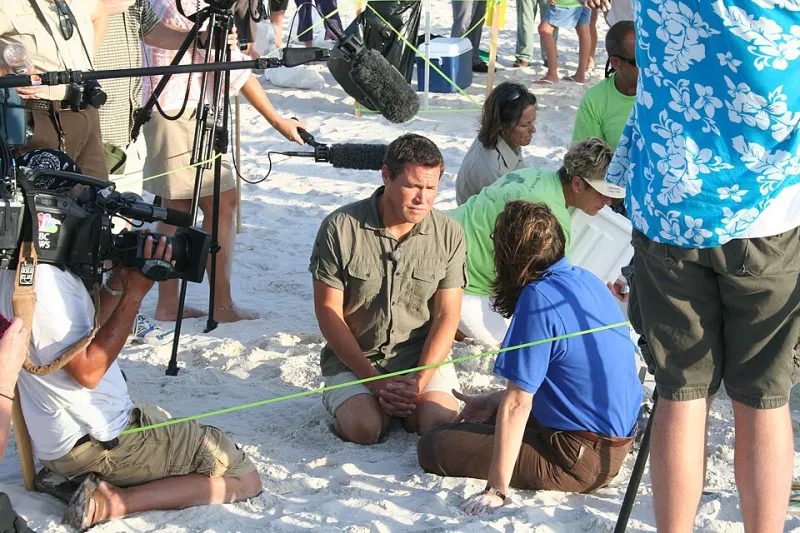
Trains and buses are acoustically hostile. They hum, they rattle, they make announcements that arrive exactly on your best line. A lav mic clipped under a collar will pick up more rumble than dialogue. A shotgun mic will pick up the air conditioning and the person behind you eating crisps. Practical options: record dialogue wild in a quiet spot afterwards, use ADR for close-ups, or lean into the chaos and make the announcements part of the sketch. If you must record live, get your microphone as close to the actor as socially acceptable and shoot the same line three times. You can cut around a 'see it, say it, sorted' if you have coverage.
Passenger etiquette, or how not to be the villain of someone's commute
Ask before you film anyone. Not just legally, but socially. Most people will say no. Some will say yes and then stare directly into the lens. Have a release form on your phone, but do not expect anyone to sign it while the bus is moving. Avoid filming children, and be careful with anyone who looks vulnerable. Do not block the aisle, the doors, the emergency exit or the priority seats. Do not set up a tripod across a walkway. Do not ask a stranger to move so you can get your shot. You are a guest in their commute. If someone complains, stop. If a member of staff asks you to stop, stop immediately and politely. The sketch is not worth a viral video of you arguing with a bus driver.
Windows, reflections and the accidental self-portrait
Glass is a liar. It reflects your crew, your lights and the station sign behind you. A circular polariser will cut some reflections; a black cloth or a jacket held off-camera can help. Shoot at an angle to the window rather than straight on. Check the frame for your own face in the reflection. If you are using a phone, turn off the screen preview when you can. And clean the window: a tissue and a bit of breath is cheaper than a VFX fix.
The fake ticket trap
Props are fine. Fake tickets are not. A ticket that looks real but is not is a legal problem waiting to happen, especially if you use it at a barrier. Buy a real ticket, blur the barcode, and move on. If your sketch needs a barrier argument, film it with permission at a station or use a prop barrier in a car park. Do not film on the tracks. Do not film the gap. Do not lean over the yellow line. The railway has enough drama without your contribution.
Kit that looks like luggage
Travel light. A phone, a small gimbal, a lav mic and a reflector are enough. Avoid tripods in aisles and lights that need mains power. A rucksack with a change of clothes is your dressing room. Battery packs are your best friend. Keep a printed one-page summary of what you are doing, with contact details, in case someone official asks. It will not grant you permission, but it makes you look like an adult.
The conductor, the inspector and the apology
If you are challenged, apologise. Immediately. Do not explain the artistic merit of your sketch. Do not say 'it is for YouTube' as if that settles it. Say: 'Sorry, we are filming a short comedy sketch. We did not realise. We will stop.' Then stop. If you have permission, show it. If you do not, leave. There will be another bus. There will not be another chance to be a decent person on public transport.
When to walk away
Some locations are not worth it. A packed train, a station with staff who have already said no, a bus driver on a tight schedule, a platform with no permission. Walk away. The best sketch is the one that gets finished, not the one that gets you banned from your local line. Public transport is a free location, but it is not a free-for-all. Be polite, be quick, be prepared to abandon the shot. And buy a ticket. Always buy a ticket.