A Thousand Pixels Walk Into a Pub: AI Extras and the Credit That Saves Your Sketch
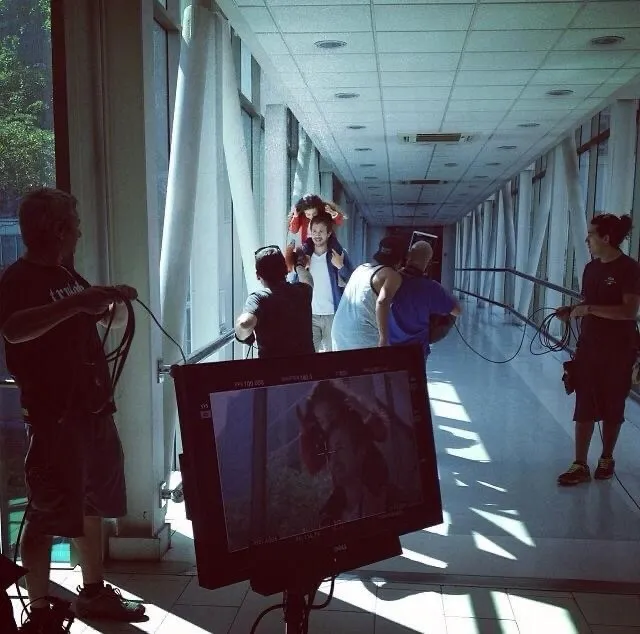
Photo: Counting Ants, CC BY-SA 4.0, via Wikimedia Commons
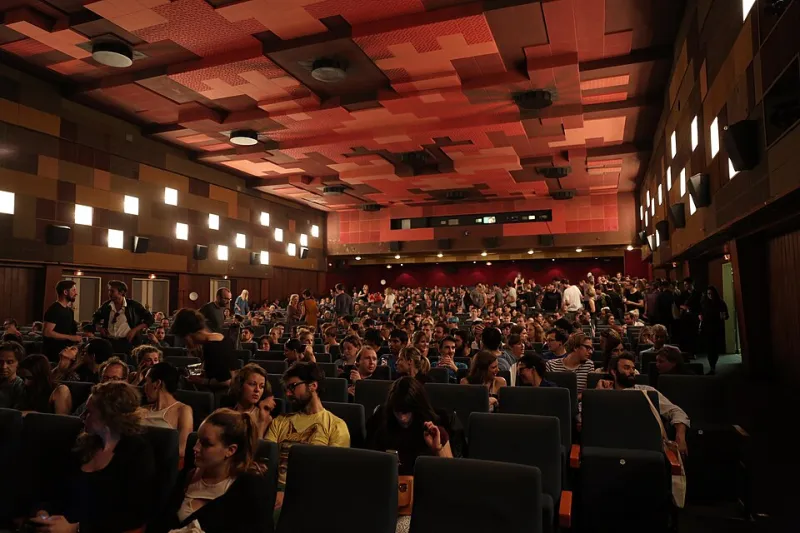
Every few years a production tool arrives that feels like a cheat code. In 2026, for shoestring sketch makers, that tool is the AI crowd. Type a few words, choose a lens, and—ta-da—your empty leisure centre becomes a packed arena, your quiet high street becomes a bustling market, and your credit card remains moderately unsinged.
Tempting. Also a bit of a trap.
At Sketchfilm we love a clever shortcut. We also love a joke that lands. Those two things are not always on speaking terms. AI extras can be a genuinely useful part of the kit, but only if you treat the crowd as a rendered element—not as a replacement for the messy, human, slightly unpredictable business of putting people in frame. And if you use it, credit it. Properly. That credit is not just admin; it is the thing that keeps you honest.
When the render genuinely earns its keep
AI crowds are at their best when the crowd is scenery rather than story. Think wide establishing shots, distant stadium tiers, a city street seen through a taxi window, festival lights bobbing in the background while your two leads bicker about a lost bag. In those moments, the audience is not studying faces. They are reading scale, atmosphere and geography. A decent render can save you an entire day of marshalling people who would rather be at home.
They are also handy for coverage you could never afford: a packed train platform for a two-second cutaway, a protest march seen from a rooftop, a nightclub queue that exists only to establish your character’s terrible evening. Used like this, AI extras are less a performance and more a matte painting with a pulse.
The rule of thumb is simple: if the crowd is doing narrative work, be suspicious. If the crowd is doing wallpaper work, carry on—but keep your wits about you.
Where a thousand pixels flatten the punchline
The trouble starts when the crowd has to react. British sketch comedy lives on tiny facial shifts: the pub barman’s weary blink, the bus passenger slowly turning her head, the office worker who has heard enough. Those beats are not background. They are the punchline. An AI crowd will give you faces, but it will not give you timing, eyelines or the glorious awkwardness of a real person trying not to laugh.
Anything foregrounded is a risk. A wedding guest who catches the bouquet. A shopper who overhears the wrong sentence. A football fan whose face falls at exactly the right moment. A crowd scene where the joke depends on one extra doing something small and human is not a crowd scene. It is a performance scene with people in the back. Cast it accordingly.
AI extras also struggle with the very thing British sketches love: specificity. A real crowd in a chip shop queue has posture, bags, kids, umbrellas, questionable tracksuits and the distinct energy of people who have been waiting too long. A rendered crowd often has a smooth, catalogue-ish sameness. It can fill the frame, but it cannot necessarily fill the joke.
The Sketchfilm decision checklist
Before you fire up a crowd generator, run this quick checklist. It will not make you popular with the software, but it will make you honest.
- Does the joke actually need a crowd, or does it just need the idea of one? Sometimes a sound effect, a reaction shot and a well-placed sign do more than 900 digital people.
- Are the extras foregrounded, in focus, or likely to be looked at? If yes, think harder about real performers.
- Does anyone in the crowd need to react, time a look, or deliver a line? If yes, that is casting, not rendering.
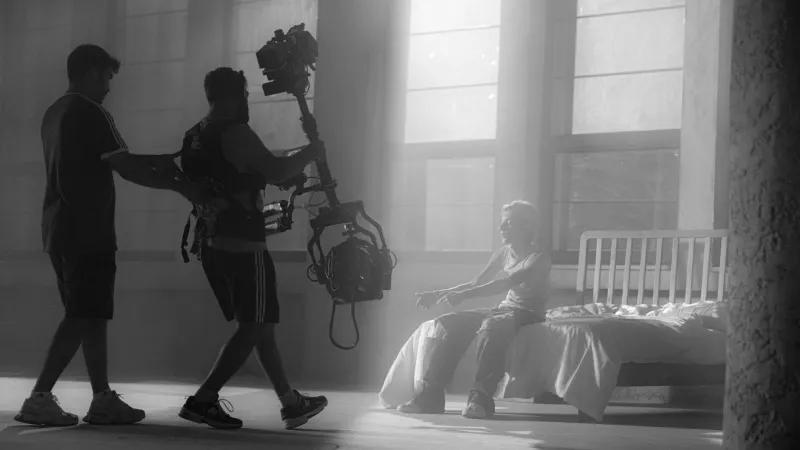
- Can you solve this with six mates, a free afternoon and a packet of biscuits? If yes, seriously consider it. The biscuits are cheaper than the subscription.
- If you use AI, can you describe exactly what was generated and where? If not, you are not ready to use it.
- Would you be comfortable putting the disclosure on the poster, not just in the small print? If not, ask why.
- Is there any risk the generated crowd resembles a real person, especially someone you know? Do not generate a dead ringer for your mate without written permission. That is not a shortcut; that is a headache with a face.
The UK performer note, and the paperwork bit
In the UK, performer expectations around AI are not a niche concern. Equity and other industry voices have been clear that consent, credit and fair treatment matter. If you are casting real extras—even unpaid mates—use a straightforward contributor release. It does not need to be a legal epic. It needs to say who they are, what you are filming, where it will appear, and that they are happy for their likeness to be used in the finished sketch. Keep a copy. A paper trail is deeply unglamorous and deeply useful.
If you are generating a crowd, there is no performer release to collect, but there is still a disclosure to make. Do not imply that real people were hired when they were not. Do not use AI to recreate a recognisable performer’s likeness without consent. And if you are mixing real extras with generated ones, say so. Audiences are not stupid. They just dislike being managed.
The credit that keeps you honest
A good credit line is not a confession. It is a mark of professional self-awareness. Something like: Background crowd generated with [tool]; foreground performers are real and credited below. Or: Crowd extension created digitally; no real performers were replaced. If you used a hybrid approach, say that too. The point is not to list every keystroke. The point is to make the production legible to collaborators, audiences and future clients.
That last group matters more than you think. A client who sees a clear disclosure knows you are not going to hand them a reputational problem in a shiny wrapper. A performer who sees a clear policy knows you are not quietly planning to replace them with a spreadsheet. And an audience that trusts you will forgive a wobbly render far more readily than a sneaky one.
A handful of real people still wins
There are scenes where six actual humans will beat a thousand pixels every single time. A pub where the locals turn to look at the wrong moment. A bus stop where one person sighs with their whole body. A village hall meeting that needs the specific awkwardness of people who all know each other’s business. A market stall where the trader’s mate wanders into frame and nearly ruins the take. Those are not crowd scenes. They are British sketch scenes with a crowd in them.
So use AI extras for scale, for cutaways, for the boring bits of the world that exist to make your characters look small. But keep the humans where the joke lives. And credit the pixels. It is the least the render can do.