The Six O’Clock Sigh: How to Fake Local Telly News Without Making Enemies of the Weatherman
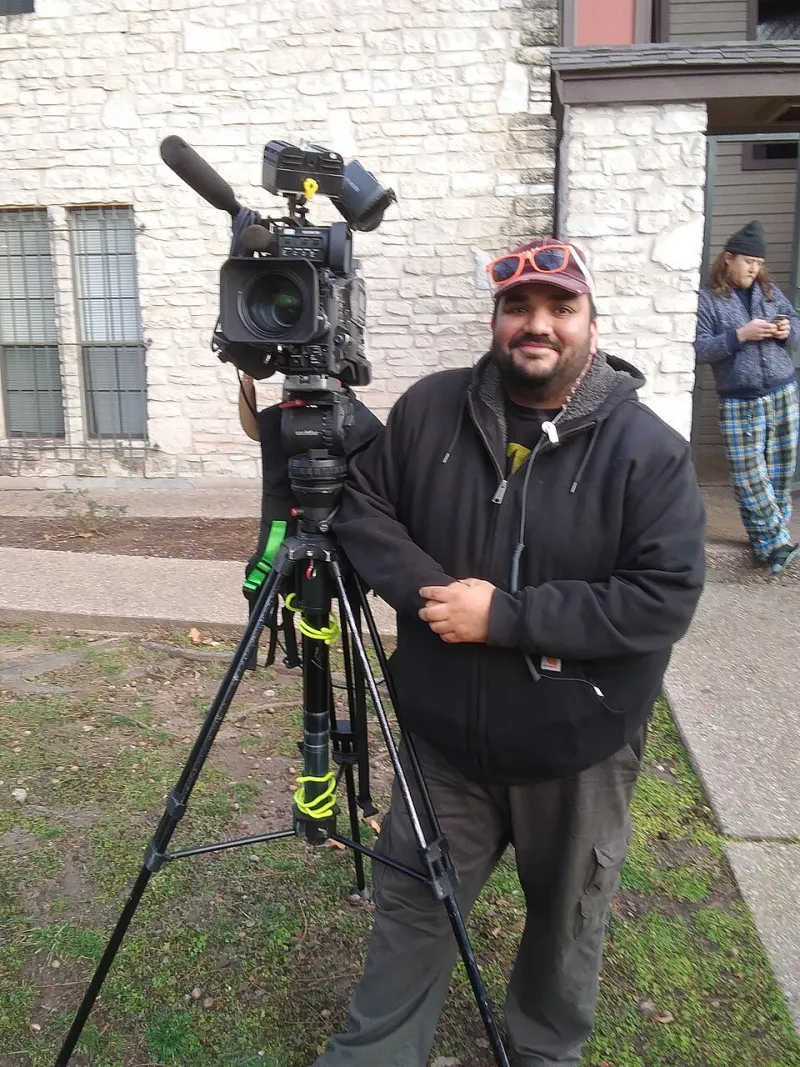
Photo: Mitchellhobbs, CC BY-SA 4.0, via Wikimedia Commons
Local television news is one of Britain’s great accidental comedies. A presenter in a slightly too-blue suit tells you that a road is closed, a graphic explodes with three different fonts, and somewhere near the end a pensioner is reunited with a ferret. It is comforting, bizarre and deeply sketchable. The trick, in 2026, is to send up the form without upsetting the actual human beings who read the weather.
Why the local bulletin still works
National news has become a shouty treadmill. Local news has kept its strange, gentle rhythm: council meetings, missing bins, a petition about a pedestrian crossing, and a weather map that looks like it was assembled during a power cut. Audiences recognise it instantly. They know the cadence before the first word is spoken.
That recognition is your comedy engine. You do not need a big budget to make a fake regional bulletin feel real. You need a desk, a fake skyline, an overloaded lower-third and a presenter who looks like they have been up since 4am deciding whether a hedgehog counts as wildlife or traffic.
Affection is your legal shield — and your best joke
The golden rule: parody the bulletin, not a real person. Invent a station. Call it something like Meridian Tonight-ish but not actually Meridian Tonight. Give your presenter a fictional name and a fictional regional patch. Avoid impersonating a real weatherman’s face, voice or catchphrase so closely that it feels like a targeted attack.
Defamation is the grown-up word for ‘don’t say something false and damaging about a real person or business’. So your fake news item should not claim that a real chip shop has been fined for putting gravy on a spaniel. Keep your crimes fictional, your businesses invented and your councillors made up. If you are using a real location, film the exterior in a general way and make sure your fictional scandal cannot be pinned on a real trader. A small on-screen caption — ‘A fictional bulletin. Any resemblance to your actual local news is affectionate’ — is not a legal forcefield, but it sets the tone.
You are also borrowing the look of television. Do not lift real station logos, theme music or title sequences. Build your own graphics, write your own jingle, and make the parody obvious enough that nobody thinks it is genuine breaking news. If in doubt, cut the bit that names a real company. Your sketch will survive. Your solicitor will thank you.
Build the studio from a desk and a dream
The local news studio is not glamorous. That is the joy. A office desk, a chair, a plant that has seen things, and a backdrop of a local landmark printed on foamboard will get you 80% of the way. For the other 20%, hang a cheap blue cloth behind the presenter and key in a still of a shopping centre at dusk. Slightly wonky is fine. Local news is not supposed to look like a Marvel film.
Lighting should be flat and slightly unflattering: one soft source in front, a bit of fill, and a background that is brighter than it should be. Add a ticking clock graphic in the corner, a rolling ‘BREAKING’ strap that says something mundane, and a weather map with arrows pointing at places that are not quite where they should be. If you can find a plastic weather symbol, even better. Blu-tack it to the wall and treat it with enormous seriousness.
The presenter’s cadence: syrup, then a sigh
The voice is everything. Local presenters have a very specific music: warm but tired, formal but faintly apologetic. They say ‘now’ a lot. They say ‘we’ll have more on that later’ about a story that will never be mentioned again. They pronounce the name of a village with the confidence of someone who has never been there.
Write the script in that rhythm. Start with a friendly hello, move to a minor inconvenience, then pivot to something faintly absurd. The presenter should never acknowledge the joke. They should deliver a line like ‘Council leader Barry Nibbs says the new bin schedule will ‘take time to bed in’’ as if it is a Nobel Prize announcement. The comedy comes from the mismatch between the gravity of the delivery and the smallness of the story.
Graphics: the lower-third is the joke
A local news parody lives or dies on its straps. You want too much information in too many fonts. A name, a job title, a location, and a second line that raises more questions than it answers. ‘DEREK POOLE — HEDGEHOG LIAISON — SAYS ‘IT WAS A TEAM EFFORT’’. Add a typo. Add a phone number that is almost real. Add a ‘MORE SOON’ caption that has been on screen for forty seconds.
The ‘and finally’ item
Every bulletin needs its closing hug: a heroic hedgehog, a cat rescued from a wheelie bin, a village fete that got out of hand. The structure writes itself. A tiny incident. A modest hero. A quote about community spirit. A pun so gentle it could be prescribed. ‘And finally, a hedgehog has been praised for ‘outstanding service to road safety’ after causing a five-minute delay on the A-road. The council says it will not be giving him a medal, but it will be reviewing the signage.’
End on the weather. Your presenter turns to a map, points at a cloud, and says something ominous about ‘the north’. Then cut to black. Do not explain the joke. The local news never does.
The practical checklist
Shoot fast, keep the frame steady, and treat the lower-thirds as a character. Record clean audio — a fake news sketch with muddy sound is just a confusing vox pop. Use a real autocue if you have one; if not, tape the script to the lens and let the presenter’s eyes do the tiny, tell-tale dance. Add a library music bed that sounds like a lift going nowhere. And give your fictional station a name that is clearly a joke, not a trademark dispute.
Most importantly, keep the affection. The local bulletin is not stupid. It is made by people doing their best with a budget and a deadline. Your parody should feel like a loving impression of that strange, gentle, hedgehog-adjacent world — not a sneer at it. Get that right and you will have a sketch that lands with anyone who has ever watched the news and thought: ‘Why is the weatherman standing in front of a map of a county that does not exist?’