The Joke Starts Before Anyone Speaks: Britain’s Cold-Open Habit in 2026
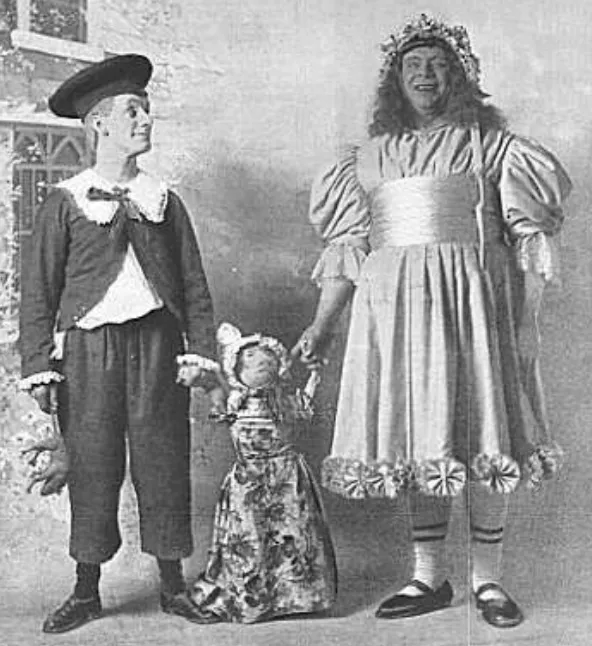
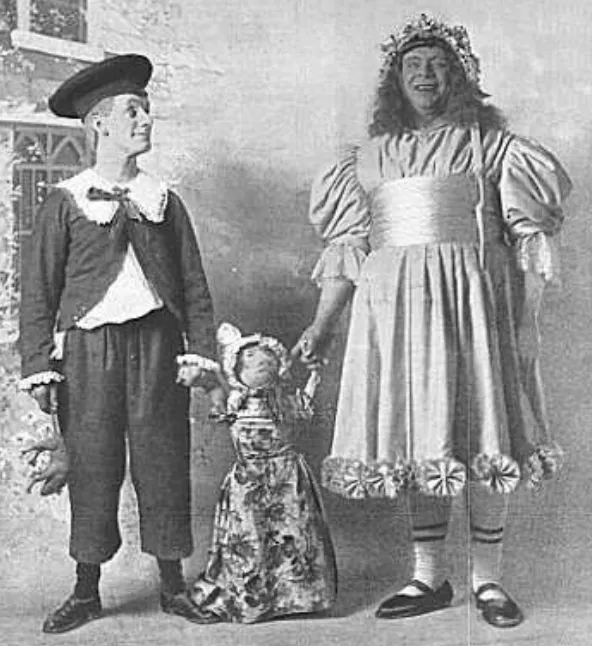
Photo: Unknown photographer. The resident photographer at The Sketch was Howard Coster who died in 1959. I know this not to be a photo by Coster as he was born in 1885 so he would have been a child at the time of its publication. Photographer still unk
British sketch comedy has always had a weakness for a good entrance. Monty Python gave us the dead parrot; The Two Ronnies gave us fork handles; and a thousand student revues have given us a man in a gorilla suit walking into a bakery. But in 2026, the cold open is no longer just a stylish way to start a sketch. It is the sketch’s audition.
On a phone, in a feed, with the sound off and a thumb hovering like a bouncer, the first five seconds have to do a ridiculous amount of work: establish the world, signal the tone, promise the joke and look as if it cost more than a meal deal. Get it right and the viewer stays. Get it wrong and you have made a very expensive business card.
The feed is the new front row
The old contract was simple. A viewer sat down, gave you thirty seconds of setup and waited for the punchline. The new contract is a staredown. In 2026, the average sketch is competing with a dog on a skateboard, a politician being asked a normal question and a recipe for a giant crumpet. You cannot ask for patience. You have to earn it before the first line lands.
That is why the cold open has become the most underrated skill in British sketch making. It is not a title sequence. It is not a drone shot of the Thames. It is a promise, made in pictures, that something funny is about to happen. And it has to be made fast.
Start on the prop, not the postcode
We spoke to Priya Shah, co-founder of Bristol sketch outfit Cheap Seats, whose 2026 short 'The Wrong Kettle' has been doing the rounds on festival feeds. It opens on a close-up of a kettle in a charity shop. A hand enters frame. A volunteer says, 'That one’s forty quid.' The kettle clicks on by itself. Nobody has explained anything, but everybody knows the premise.
'We used to open with a wide shot of the shop so people knew where they were,' Shah says. 'Then we watched the analytics. People were leaving before the wide shot ended. The shop was not the joke. The kettle was the joke. So we started on the kettle.'
That is the first micro-budget lesson: let an object carry the establishing work. A prop is cheaper than a location, quicker than a title card and usually funnier than a caption. A clipboard, a wedding ring, a suspiciously large marrow, a parking ticket on a hearse—these are cold opens waiting to happen. The audience will work out the where if the what is interesting enough.
The first line should be the second joke
There is a temptation, when you have written a lovely line, to put it first. Resist. The first line of a cold open should not explain the sketch. It should tilt it. The explanation is the second joke, or the third, or the one the viewer tells themselves two seconds later.
Take the Leeds duo Martha and Dev, whose 2026 short 'The Last Minute' begins with a microwave clock reading 00:01. A man is defrosting a ready meal. His flatmate walks in wearing a wetsuit. 'I thought we said seven,' says the flatmate. That is it. No setup. No context. The wetsuit and the microwave are doing the work, and the line is just a nudge.
'If the first line has to carry the whole sketch, the sketch is probably a radio piece,' Martha says. 'On screen, the audience is already reading the room. Give them something to read.'
Shoot the cold open last
Here is the practical bit that sounds backwards and works: shoot your cold open at the end of the day. By then, the cast know the characters, the props are warm, the location has stopped feeling like a location and you have already made all the boring mistakes. You can afford to be precise.
A cold open is usually five to twelve seconds of screen time, but it can take an hour to get right. You are not filming a scene; you are filming a thumbnail that moves. So give it its own setup. Put the camera where the joke lives. Use the lens you have. Light the prop, not the ceiling. Record clean sound, even if you think the shot will be silent, because a single fridge hum will tell the audience exactly how much money you did not spend.
Run the five-second audit
Before you export, pause your film at five seconds. Ask three questions. Do I know where I am? Do I know what kind of funny this is? Do I want to see what happens next? If the answer to any of those is no, cut backwards. Remove the logo. Remove the establishing shot. Remove the line where someone says, 'Well, here we are in a charity shop.' Start later. Start weirder. Start on the kettle.
This is not dumbing down. It is editing with manners. The audience has given you five seconds of their life; the least you can do is not spend it on a caption saying 'BRISTOL, ENGLAND.'
What to cut, and what to keep
Cut the drone shot. Cut the title card before the title card. Cut the bit where the character checks their watch to tell us it is late. Keep the face that reacts, the hand that enters frame, the sound that does not belong. Keep the one visual detail that makes the viewer lean in—the wetsuit, the marrow, the kettle that clicks on by itself.
The cold open is not a trick to game the algorithm. It is a discipline that makes the whole sketch sharper. If you can win the first five seconds, you have bought yourself the next fifty. And in 2026, that is the most valuable currency a British sketch maker has.
The final punchline still matters. It just has to survive long enough to be heard.