Blink and You’ll Miss the Punchline: Why Britain’s Sharpest Sketches Now Fit in a Tea Break
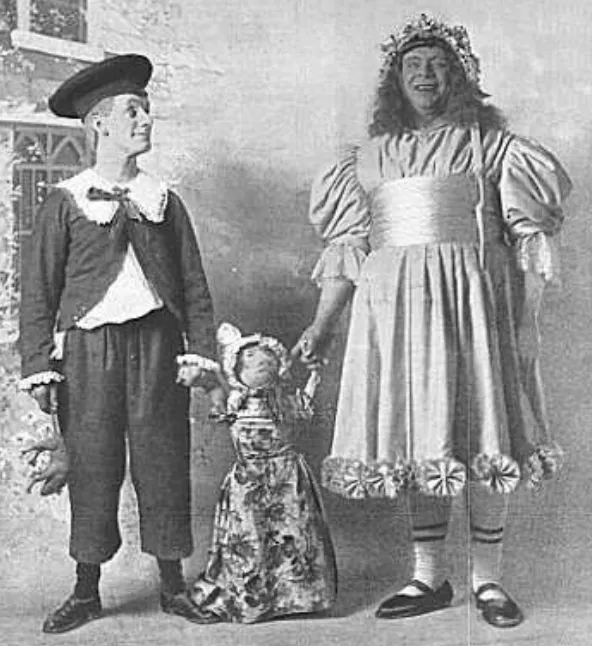
Photo: Unknown photographer. The resident photographer at The Sketch was Howard Coster who died in 1959. I know this not to be a photo by Coster as he was born in 1885 so he would have been a child at the time of its publication. Photographer still unk
Somewhere between the second cup of tea and the third doomscroll, Britain has fallen for the 90-second sketch. Not the rambling, three-location, we’ll-fix-it-in-the-edit sketch of yore. The tight, visual, punchline-forward kind that lands before your kettle boils. In 2026, brevity is not a compromise. It is the whole trick.
The thumb is the new commissioner
Streaming platforms and social feeds have turned completion rate into the most feared phrase in comedy. A sketch that asks for 90 seconds and gives back three laughs is a better deal than one that asks for six minutes and gives back a cough. Live audiences have noticed too: nights built around rapid-fire sketch bills are packing rooms in Manchester, Glasgow and Bristol, because nobody has to sit through a five-minute sketch about a man who cannot work a printer.
The UK has always had a short-form streak. Think of the quick-fire surrealism of The Fast Show, the precision silliness of Big Train, the way a great Monty Python cutaway could do more than a page of dialogue. What is new is the delivery system. The feed rewards a cold open, a clear premise and a turn — and it punishes anything that looks like a student revue sketch that got lost on the way to the bar.
Short does not mean small
A 90-second sketch is a haiku with a whoopee cushion. It is not a sketch that has been trimmed until it bleeds; it is a sketch built for the shape. That means no establishing shots unless the establishing shot is the joke. No scenes that exist only to set up the next scene. No third act unless the third act is a single reaction shot.
The cinematic skill is in the visual grammar. One location, one idea, one turn. A character enters a launderette with a suitcase. A job interview happens on a canal towpath. A couple argue entirely through personalised number plates. The best micro-sketches understand that a prop, a look and a well-chosen backdrop can do the work of a page of dialogue.
The Sketchfilm 90-second beat sheet
Treat this as a spine, not a straitjacket. If your sketch wants to be 75 seconds, let it. If it wants to be 110, ask yourself why.
| Time | Beat | Job | | 0–5s | Cold open | A visual oddity, a line of dialogue or a sound that makes the thumb stop. No logos. No moody drone shot of a bus. | | 5–15s | Premise | Establish who wants what, where they are, and why it is already going wrong. | | 15–35s | Escalation | One clear complication. Raise the stakes in a way the audience can see. | | 35–55s | First turn | The assumption breaks. The suitcase is full of wasps. The job interview is for a job that does not exist. | | 55–75s | Button | The biggest laugh or the sharpest line. Do not step on it with a music cue. | | 75–90s | Tag | A final visual or line that sends the audience out with a grin. If you have nothing, cut at 75 and leave them wanting. |
Cut like the meter is running
Editing is where the budget shows. Trim the first and last frame of every clip. Cut on action, not on intention. Use J-cuts so a line arrives before we see the face, and L-cuts so a reaction hangs in the air. If a shot does not add a joke, a clue or a breath, bin it.
Avoid the intro sequence. A title card that says the name of your sketch group is not a hook; it is a hostage situation. Get to the first oddity in two seconds. Keep captions legible, especially on social, but do not let them cover the actor’s mouth during the punchline. And resist the urge to add a whoosh sound every time someone blinks.
Sound is the cheapest special effect
Bad sound makes a good sketch look like a badly dubbed holiday video. Get the microphone as close as you can without it being in the shot. Record 30 seconds of room tone everywhere you shoot. Use silence before the button; it is funnier than a drum sting. Add one carefully chosen piece of Foley — a squeaky chair, a distant seagull, a kettle clicking off — and the whole thing feels designed rather than cobbled together.
If you are shooting on a phone, put a lav mic on the actor and a second phone in the room for backup. If you cannot afford music, do not use library music that sounds like a dishwasher advert. A single note, held too long, can be funnier than a full orchestra.
UK creators making 90 seconds feel feature-length in 2026
Up in Leeds, the duo behind Pint & Prejudice have built a following on 80-second sketches about flat-sharing with a Regency ghost. In Bristol, Two Blokes One Kettle turn a single kitchen counter into a three-act farce about office politics and a broken toaster. Margate’s Salt & Battery Players shoot on the pier at dawn and cut to the gull before the punchline. None of these are big-budget productions; all of them understand that a location, a prop and a look can carry the whole film.
Live nights such as The 90-Second Saloon in Manchester have made the form a spectator sport, with a visible timer and a bell for anyone who overruns. It is brutal, it is funny and it is the best editing teacher you will ever meet.
Your homework
Give yourself a rule: one location, two actors, one impossible social situation. Write the cold open before you write the ending. Shoot it in an afternoon. Edit it in a evening. If it does not work at 90 seconds, it probably will not work at six minutes. And if it does work, congratulations: you have just made a tiny piece of cinema that fits in a tea break. That is not a small thing. That is the whole point.